
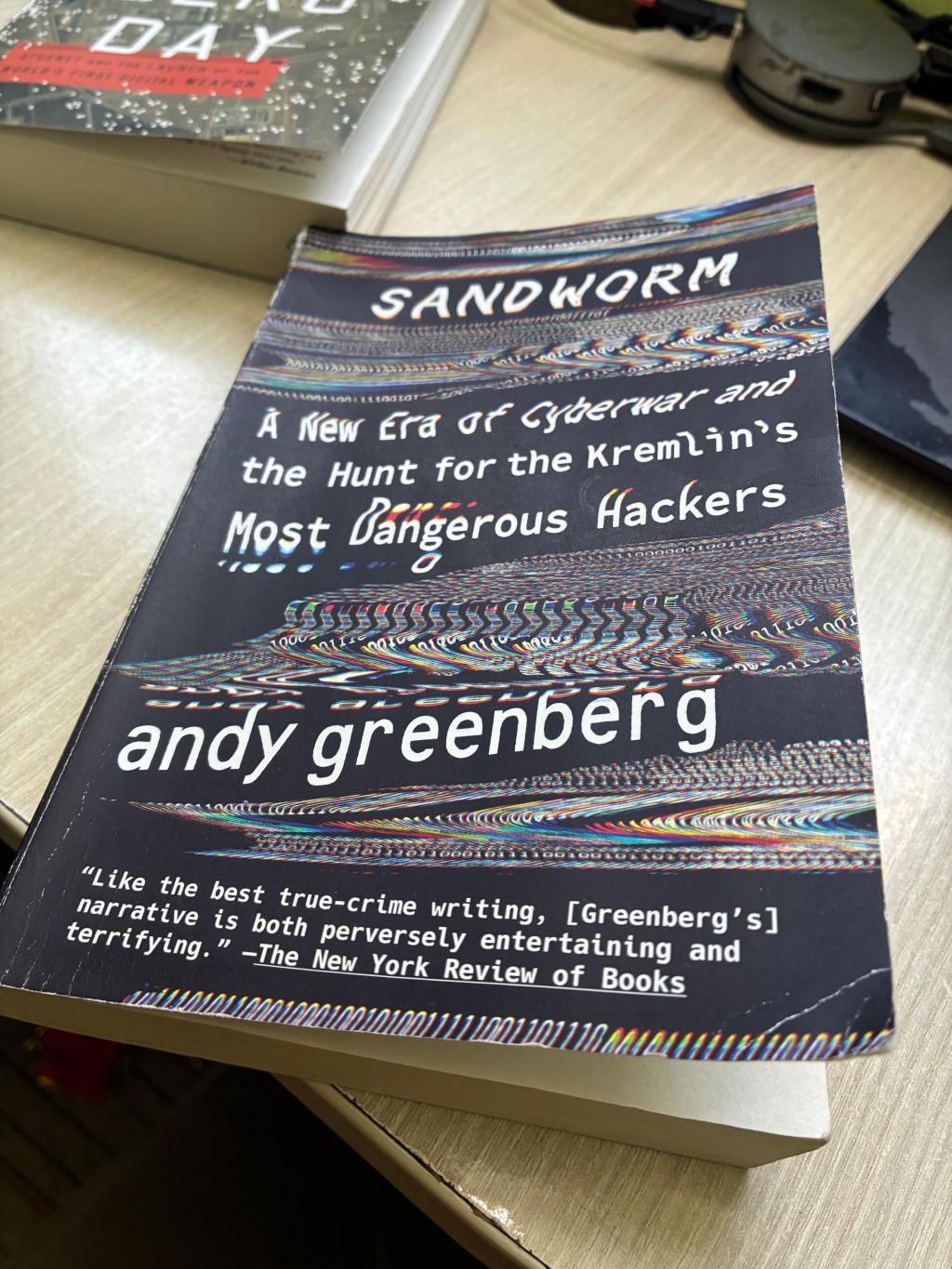
I recently wrapped up reading Sandworm by Andy Greenberg, and it’s a powerful read.
I’d strongly recommend this book to two audiences:
- The cybersecurity community
- Anyone interested in understanding how cyber attacks are impacting the real world
For many of us in Asia, cyber threats still don’t feel very real. A lot of our critical infrastructure continues to rely on manual operations and analog controls. But as digitization and automation rapidly increase—especially in countries like India—cyber risks to power grids, utilities, and other critical infrastructure will inevitably become real and visible.
What the Book Covers
Sandworm takes you in many directions:
- The Ukraine–Russia conflict and their shared history
- Russian military intelligence units and their cyber operations
- NotPetya, the 2018 Winter Olympics cyberattack, and other incidents
- Chernobyl, and historical events like the Battle of Solferino that led to the Red Cross and Geneva Conventions
- The erosion of rules, restraint, and responsibility in cyberspace
It connects cyber incidents to geopolitics, U.S. cyber policy across different administrations, global sanctions, defectors from intelligence agencies, and the long-term question of resilience: what happens when systems fail and how societies recover.
Why It Matters
This book significantly broadens your perspective on cybersecurity:
- It moves beyond tools, vendors, and technologies
- It places cybersecurity in the context of history, politics, and real-world impact
- It challenges us to think about resilience, ethics, and the future of warfare
If you’re working in OT, ICS, or critical infrastructure security—or just want to understand the stakes—Sandworm is essential reading.

 Simone's cybersecurity
Leave a comment